

Fisheries Resource Governance: A trend analysis of Tanzania’s fisheries sector and implications of illegal fishing on communities and exports to the EU
Authors: Jacob Mokiwa and Moses Kulaba, Governance and Economic Policy Center
Abstract:
The fisheries sector offers potential for Tanzania’s economic development yet the recent upsurge in global warming, rising water levels, illegal fishing, overfishing, caged fishing and pollution of fishing water bodies is altering the prospects of the sector, affecting millions of people that fishing for livelihoods and the government in revenues foregone. Recent statistical trends show a sharp decline in fish stock and export revenues as major markets such as the EU shrink. With increased and deliberate efforts to tame illegal fishing, over fishing and pollution, the Tanzania government can earn more in revenues from its marine and fisheries sector. This policy brief analyses the worrisome trend within the context of climate change, nature and marine extractive governance and regional economic trade, highlighting the major trends, causative factors plus measures that government must quickly take to reclaim the sector.
Introduction
Tanzania’s fishery sector (including both marine and freshwater fisheries) plays a significant role in the economy contributing approximately 1.7% of the country’s GDP. The significant portion comes from inland fisheries, particularly around Lake Victoria. The sector also provides livelihoods for millions of Tanzanians and is a valuable source of protein and export revenue. Fish is among the leading non-traditional export product and foreign exchange earner with the European Union (EU) standing as one of Tanzania’s major export destinations for fish products. However, recent trends show a sharp decline and that Tanzania is gradually losing this lucrative market. This necessitated an analysis to understand the implications of this trend on Tanzania’s fish export sector and what policy options can be taken to ensure Tanzania maintains its position. Suggestions include combating of climate change, environmental waste management, over fishing and illicit fishing. This also includes, perhaps Tanzania looking for new export destinations, diversify products and increased investment in deep sea fishing to leverage on its market potential.
Trend Analysis of Fish Catch and Economic livelihoods
Tanzania mainly exports fish and the commercial species available include freshwater finfish (Nile perch, Sardines, pelagic Sardines), marine finfish (shrimps, lobsters, crabs, squids and octopus) and shellfish. However the catch for this highly lucrative fish export species to the EU has been declining.
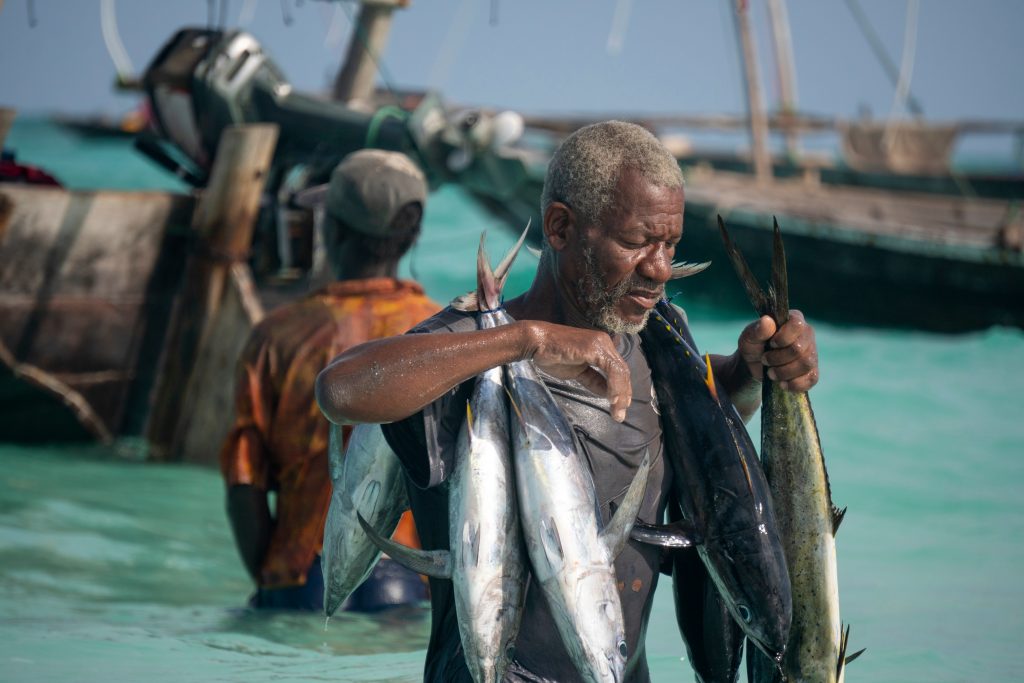
According to an investigative report by the government owned Daily newspaper in 2024 six out of 12 registered fish processing plants were dormant. The six others – Nile Perch, Vick Fish, TFP, Victoria, Mzawa and Mwanza Fish – were operating at less than 30 percent of their capacity, according to the Fishers and Processors Association. Tanzania’s Industrial Fishing and Processors Association (TIFPA) reported in 2024 there was no factory in Mwanza that was running double shifts. Local factories got their supplies at least after two or three days each week (Daily News, 27th May 2024). Fishermen who used to catch 500 kilograms per day were struggling to catch five kilograms, most times returning empty-handed (ibid). Local fish boat fleets and camps have declined and their owners declared bankrupt.

Illustration Photo Credit: Sylvester Domasa, Daily News, 27th May, 2024
The majority of fishermen catch Nile perch, tilapia, haprochromis (furu) and silver cyprinid (dagaa), but Nile perch leads in exports and revenue. Now, their lives and that of locals who depend on fishing activity in Mwanza, a port city on the shore of Lake Victoria in northern Tanzania, lament, with poverty. The effects of this decline are grave on a region where 3.3 percent of the economy depends on fishing. Locals and experts attribute the new reality to depleting fish stocks in the lake due environmental factors, overfishing and illegal fishing. The National Fishing Policy 2015 and other sectoral reports identify illegal fishing as the second largest challenge to the sector. The government has committed to fighting illegal and harmful fishing and in 2017 it carried out an ‘operation Sangara’ which succeeded in reducing illegal fishing on Lake Victoria by almost half. However, these operations have not been consistent to completely eliminate the illegal vice.
Moreover, government’s ability to constantly patrol and enforce compliance is curtailed by limited resources in terms of personnel and equipment. The governments capacity to patrol its high seas is even weaker and has enabled large fishing vessels to trawl and exploit Tanzania’s fisheries sector with impunity
Fish Export Trends
Export Volumes and Values: Tanzania has observed fluctuations in its fish export volumes and values to the EU. While there have been periods of growth, particularly in certain fish categories, there have also been instances of decline due to various factors such as market demand, regulatory changes, climate change, and external shocks like the COVID-19 pandemic. For instance, during the financial year 2018/2019, the export value was Tsh.696 billion compared to the decline to Tsh. 453.81 billion during the last 10 months of financial year 2022/2023.[1]
The fish catch and corresponding export revenues generated have fallen significantly compared to the levels 10 years ago. Official government figures by the Ministry of Finance reveal a sharp decline in exports of Nile Perch between 2019 and 2022 from about 25,000 tons of Nile Perch valued at USD $128 million exported in 2011, these fish exports doubled in value by 2015, but then decreased due to escalating incidents of illegal fishing that depleted the fish stock.
Causative factors
Harmful and Illegal fishing Practices: The illegal fishing and overfishing in breeding grounds has affected regeneration of fish stocks. A parliamentary public Accounts Committee audit on the Ministry of Livestock and fisheries in 2024 revealed that Tanzania was losing about 15.16billion annually due to illegal fishing, unregistered vessels and lack of accurate fishing data. Regions with better infrastructure such as Dar es Salaam and Lindi lose an average of Tsh500 million annually while Mwanza and Kigoma with their infrastructure challenges lose approximately 500millions due to unregistered vessels. Lake Victoria has the highest proportion of unregistered vessels accounting at 97% followed by Lake Tanganyika with 61% and the Indian ocean 42%. Moreover, fishermen, especially in the Lake Zone as this zone is provides almost 90% of the total fish export to EU, have shifted their attention towards illegal fishing to extract fish maws which are largely used for texture and flavor absorption in soups and this affects the handling of the fish.
Climate Change and Environmental factors: This includes global warming, rising water levels and destruction of sensitive marine ecosystems including fishing grounds and dumping of toxic waste by factories and mining companies located along the Lake Victoria shorelines. This has affected the quality of the fish caught by rising pathogenic and arsenic concentrations in fish tissues to levels considered cancerous and harmful to human health. Moreover, the water quality has changed, causing an imbalance in algae concentrations ambient for fish breeding and restocking
Strict Regulatory requirements: Strict regulatory standards particularly regarding sanitary and phytosanitary (SPS) measures imposed and maintained by the EU for imported food products, including fish, as well as sustainability criteria, pose challenges for Tanzanian exporters in meeting compliance requirements and potentially affecting market access and competitiveness. With the changing local conditions and high regulatory requirements in the EU, fish exports face a tough a compliance regime.
Economic Factors: Changing economic patterns in both Tanzania and the EU, including GDP growth, personal incomes and consumer purchasing power, and currency exchange rates, have a direct bearing on fish trade. Fluctuations in these economic indicators has influenced demand patterns and trade flows between Tanzania and the EU.
Competitive Landscape: Tanzania faces competition from other fish-exporting countries within the EU market. Countries such as Norway, Thailand, and Vietnam are significant players in the global fish trade and compete with Tanzania in supplying fish products to EU consumers. Understanding and adapting to the competitive landscape is essential for maintaining market share and competitiveness. As stocks have been declining in Tanzania, other countries have ramped up supply, including expanding acreage of caged fish farming, thus cutting out Tanzania’s fish market.
Geopolitical Dynamics: Geopolitical factors, such as diplomatic relations, trade agreements (non-renewal of Economic Partnership Agreement (EPA), and regional developments, also influence Tanzania-EU trade relations. The divergence in political interests, including the recent concerns by the EU over Tanzania’s human rights record has gradually the stability and growth of bilateral trade in fish and other products.
Implications for TZ-EU fish export trade relations and local economic development
The implications of future fish export trade between TZ and the EU are multifaceted and include:
Reduced economic gains: Increased exports to the EU can stimulate economic growth in Tanzania, creating job opportunities and generating income for local communities involved in the fishing industry. The reduced fish exports have caused declines in economic livelihoods and in jobs especially among fishing communities, landing sites and government revenues foregone from the sector.
Reduced Market Access: Compliance with EU standards for food safety, hygiene, and sustainability is imperative for maintaining access to EU markets. Failure to meet these standards has resulted in Tanzania fish facing trade barriers and loss of market share.
High Regulatory Compliance Costs: Adhering to EU regulations requires investments in infrastructure, technology, and training to ensure compliance. These costs have potentially impacted on the profitability of Tanzanian fish exporters, leading to some factories closing entirely.
High Competition and Market Dynamics: Tanzanian fish exporters now face competition from other countries within the EU market. Understanding market trends, consumer preferences, and competitive strategies will be crucial for maintaining a competitive edge.
Disrupted Trade Relations: The success of fish export trade between TZ and the EU depends on the stability of trade relations, regulatory frameworks, and diplomatic ties between the two parties. The dwindling stock has caused disruptions in fish trade flows and affected the balance of Trade between the EU and Tanzania
Reduced Socio-economic Development: A thriving fish export industry has the potential to contribute to broader socioeconomic development in Tanzania, including poverty reduction, rural development, and improved livelihoods for fishing communities. The dwindling fish stock and catch has altered the social economic development and progress previously recorded in these areas.
The need for Environmental Sustainability: Sustainable fishing practices are essential to preserve marine ecosystems and ensure the long-term viability of fish stocks. The current trend demonstrates that overfishing or destructive fishing methods lead to environmental degradation and jeopardize future export opportunities.
Policy Recommendation
Based on the trends and implications outlined for future fish export trade between TZ and the EU, here are some policy recommendations:
- Curb Harmful and illegal Fishing
The government must curb harmful and illegal fishing, by heightening surveillance, local vigilance, investment in modern patrol and chase water boats, combating corruption and imposition of higher fines on culprits to disrupt illegal and harmful fishing.
- Capacity Building
The government and other stakeholders must invest in training programs and technical assistance to help fish exporters comply with EU standards for food safety, hygiene, and sustainability. This could include workshops, seminars, and knowledge-sharing initiatives aimed at improving understanding and implementation of regulatory requirements.
- Infrastructure Development
The government must allocate more resources for the upgrade and modernization of fishing facilities, processing plants, and cold storage transportation networks to enhance the quality and efficiency of fish exports. Improved infrastructure will not only facilitate compliance with EU standards but also increase competitiveness in the global market.
- Strengthen Environmental Management
The government must implement policies and regulations to combat pollution, dumping of toxic industrial and mining wastes and human sewerage into the lakes, promote sustainable fishing practices. This must further include the revamp and the establishment of marine protected areas, fisheries management areas, fishing quotas, and gear restrictions. Encouraging responsible stewardship of marine resources will ensure the long-term viability of fish stocks and maintain ecosystem health.
- Market Diversification
The Ministry of fisheries, trade and foreign Affairs must explore opportunities to diversify export markets beyond the EU to reduce dependency and mitigate risks associated with fluctuations in demand or regulatory changes. This could involve targeted marketing efforts, trade missions, and negotiations with emerging markets seeking high-quality seafood products. The UAE, Tanzania’s newly emerging major trade partner, could be a potential priority new market.
- Public-Private Partnerships
The Ministry of Fisheries must foster collaboration between government agencies, industry associations, and private sector and civil society stakeholders to address common challenges and seize opportunities for growth. Public-private partnerships can leverage resources, expertise, and networks to drive innovation and competitiveness in the fish export sector.
- Monitoring and Enforcement
The government must strengthen regulatory oversight and enforcement mechanisms to ensure compliance with EU standards and prevent illegal, unreported, and unregulated (IUU) fishing activities. Regular inspections, audits, and traceability systems can help verify the origin and sustainability of exported fish products. Moreover, consistent patrolling of Tanzania’s higher sea water is essential in ensuring that Tanzania’s ocean water fish stocks are equally not depleted.
- Support for Small-Scale Fisheries and alternative or additional economic empowerment
The government and other stakeholders must provide targeted support and incentives for small-scale fishers and fishermen cooperatives to improve their access to markets, enhance productivity, and adopt sustainable practices. Empowering small-scale operators and communities with alternative or additional economic empowerment options will contribute to inclusive growth, poverty reduction and reduce the drive towards illegal and harmful fishing amongst lakeshore and coastal fishing communities.
Conclusion
Conclusively, the recent trends in Tanzania’s fish exports to the EU underscores a major indicator that Tanzania’s fish sector is at risk. Important strategic intervention, planning and proactive measures must be taken to navigate the evolving trade pattern and the economic consequences that may arise. By addressing regulatory challenges, addressing harmful and illegal fishers, investing in sustainability, community economic resilience and fostering bilateral engagements and diversifying markets, Tanzania can enhance the resilience, competitiveness, and sustainability of its fish export trade with the EU while maximizing economic and social benefits for its citizens.
References
Ryoba, C., B.K. Mabina & F. Muya (2017). “Analysis of Tanzania – European Union (EU) Trade Relations and Lessons for Future Trade Arrangements”. Journal of Logistics, Management and Engineering Sciences (2017) Vol. 01 Issue 2, 13-20. Google Scholar
Tran N, Maskaeva A, Msafiri M, Chan CY, Peart J, Mroso H, Shoko AP and Madalla NA. (2022). “Future fish supply and demand in Tanzania”. Penang, Malaysia: WorldFish. Program Report: 2022-20. Google Scholar
Peart J, Tran N, Chan CY, Maskaeva A, Shoko AP, Kimirei IA and Madalla NA. (2021). “A review of fish supply–demand in Tanzania”. Penang, Malaysia: WorldFish. Program Report: 2021-32. Google Scholar
Frederik S., Axel B., Clara B., and Jakob S. (2020). “The Trade Effects of the Economic Partnership Agreements between the European Union and the African, Caribbean and Pacific Group of States-Early Empirical Insights from Panel Data”. Discussion Paper. German Development Institute. Google Scholar
Albiman, M.M., Yussuf, H.A., and Hemed I. M., (2022). Trade complementarities between Europe and Tanzania. REPOA, Dar es Salaam. Google Scholar
FAO (2007). “National Fishery Sector Overview”. Report. Retrieved form Online: https://www.fao.org/fishery/docs/DOCUMENT/fcp/en/FI_CP_TZ.pdf
Economic Development in Africa Report (2022). “Rethinking the Foundations of Export Diversification in Africa”. Retrieved from Online: https://unctad.org/system/files/official-document/aldcafrica2022_Ch1_en.pdf
https://www.mifugouvuvi.go.tz/publications/62
https://www.mof.go.tz/uploads/documents/en-1691583449
https://www.mifugouvuvi.go.tz/uploads/publications/sw1642224264
https://www.mifugouvuvi.go.tz/uploads/publications/sw1675842370
https://tafiri.go.tz/publications.php?id=5
www.tic.go.tz/uploads/guides/files/en-1643984151
https://commission.europa.eu/system/files/2020-10/trade_sp_2020_2024_en.pdf
[1] https://www.thecitizen.co.tz/tanzania/news/business/why-tanzania-s-fish-exports-are-falling